
30.9.18


2.5.18
Oral Presentations for Bachillerato

Oral presentations typically involve three important steps:
1) planning,
2) practising,
3) presenting.
Make also sure your presentation covers the following: introduction, main body and conclusion.

Practice, Practice, Practice:
- Practice as much as possible to achieve an easy delivery.
- Do not read your talk or memorize it.
- Concentrate only on the main points. Ignore details.
- Try to make your presentation lively and interesting. This does not mean telling jokes and anecdotes. But if you can think of interesting or amusing examples to illustrate your argument, use them.
- Write out everything you have to say, including examples etc. Rehearse what you are going to say until you are happy with it.
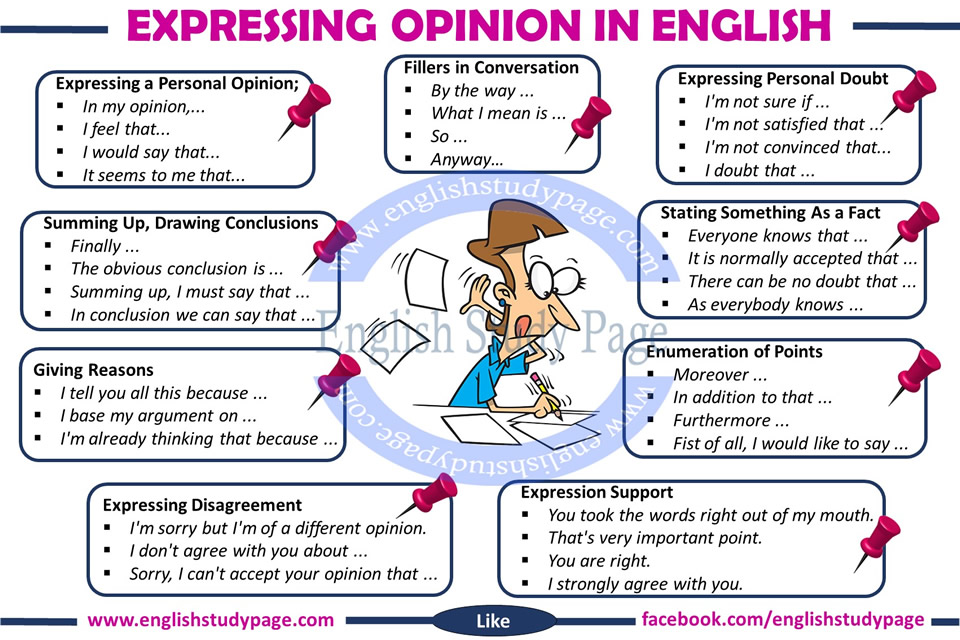
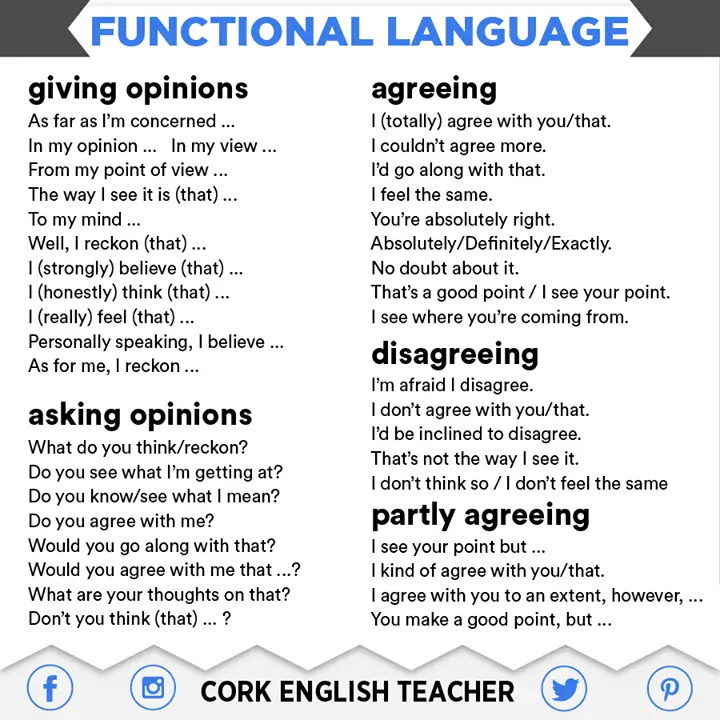
- present the topic.
- give your opinion on the topic.
- express (dis)advantages.
- link and sequence ideas.
- end with a clear summary or conclusion.
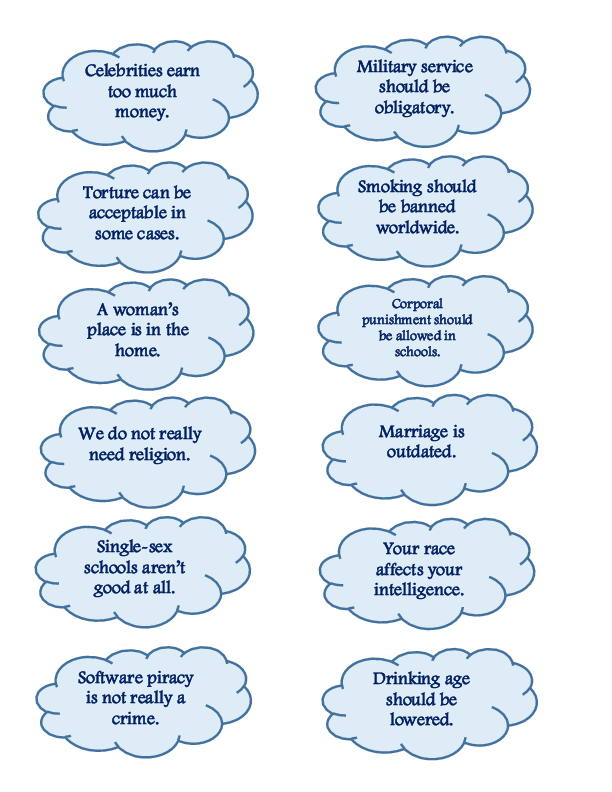
Choose one of the following topics to create a 1.30-minute presentation. You will be allowed to use some notes during your talk. However, full sentences or long phrases are not permitted. Please submit your notes to the teacher on completion of the oral exam.


16.4.18


15.4.18
Ways of Saying -OUGH
Ough is a letter sequence often seen in words in the English language.

The sequence is ambiguous, having at least eight pronunciations in British English; its pronunciation depends entirely on its placement in a given word, with most common being:
/oʊ/ as in though (cf. toe).
/uː/ as in through (cf. true).
/ʌf/ as in rough (cf. ruffian).
/ɒf/ as in cough (cf. coffin).
/ɔː/ as in thought (cf. taut).
/aʊ/ as in bough (cf. to bow [the gesture])
Pronunciation of -ough with audio

The sequence is ambiguous, having at least eight pronunciations in British English; its pronunciation depends entirely on its placement in a given word, with most common being:
/oʊ/ as in though (cf. toe).
/uː/ as in through (cf. true).
/ʌf/ as in rough (cf. ruffian).
/ɒf/ as in cough (cf. coffin).
/ɔː/ as in thought (cf. taut).
/aʊ/ as in bough (cf. to bow [the gesture])
Pronunciation of -ough with audio

26.2.18


24.2.18
Online Generators to Practise Speaking
Click on the images below


The Game Gal
This word generator gives you words to play games like Pictionary, catchphrase, or charades. Just choose which game you’re playing and a category, and then tap for a new word.
1.2.18

30.1.18
Agree or Disagree
Read the news from The Guardian here:
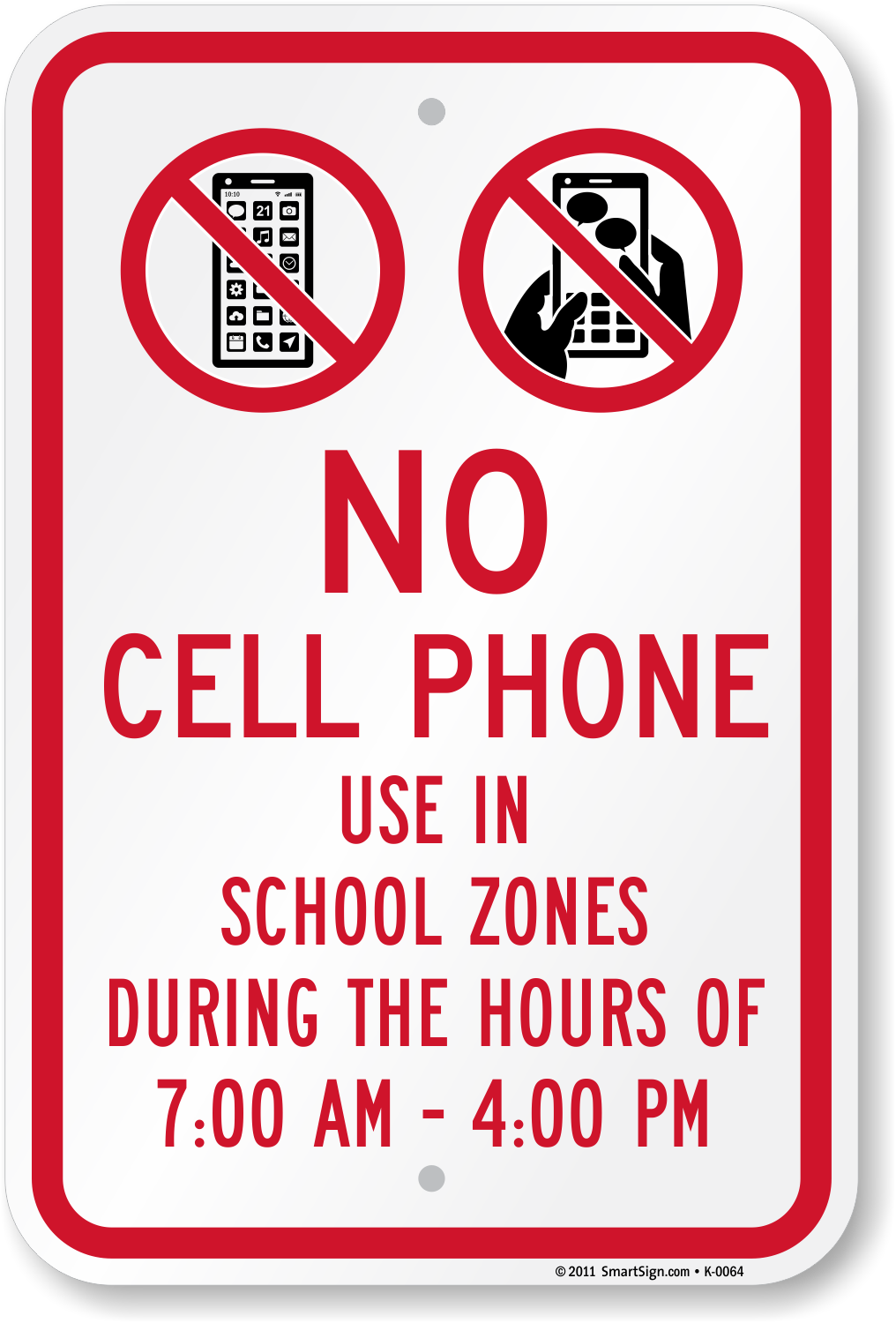
The French government is to ban students from using mobile phones in the country’s primary, junior and middle schools.
Children will be allowed to bring their phones to school, but not allowed to get them out at any time until they leave, even during breaks.
A proposed ban was included in Emmanuel Macron’s successful presidential election campaign this year.
Jean-Michel Blanquer, the French education minister, said the measure would come into effect from the start of the next school year in September 2018. It will apply to all pupils from the time they start school at age of six – up to about 15 when they start secondary school.
Children will be allowed to bring their phones to school, but not allowed to get them out at any time until they leave, even during breaks.
A proposed ban was included in Emmanuel Macron’s successful presidential election campaign this year.
Jean-Michel Blanquer, the French education minister, said the measure would come into effect from the start of the next school year in September 2018. It will apply to all pupils from the time they start school at age of six – up to about 15 when they start secondary school.




25.12.17
Helen Mirren's Masterclass
Dame Helen Lydia Mirren, born 26 July 1945) is an English actress.
Mirren began her acting career with the Royal Shakespeare Company in 1967, and is one of the few performers who has achieved the Triple Crown of Acting, having won the Academy Award for Best Actress in 2007, after two previous nominations, for her performance as Queen Elizabeth II in The Queen, she received an Olivier Award for Best Actress in 2013 for her West End performance in The Audience, in which she also portrayed Elizabeth II, and in 2015, she won the Tony Award for Best Actress in a Play for her Broadway performance in the play.
In 2003, she was appointed a Dame Commander of the Order of the British Empire (DBE) for Services to the Performing Arts. In 2013, Mirren was awarded a star on the Hollywood Walk of Fame, and in 2014, BAFTA announced that Mirren would be the recipient of the Academy Fellowship. [Wikipedia]
16.11.17
A little help for your oral productions
Convert online any English text into speech. Listen and repeat what you hear. A great support that can help increase comprehension and reading speed for English Language Learners is Text-to-Speech.
Text-to-speech (TTS) applications translate digital text into spoken word. TTS applications vary in what added features and voices are available, but the general principle is the same—to allow auditory rather than visual consumption of a digital text.

1.11.17
Oral Exams


4º ESO 2nd term Reading Test
Open the file and download it, listen and repeat as much as you can in order to sound like the voice in the podcast.
Link to the speaking activity 1st term


Subscribe to:
Posts (Atom)